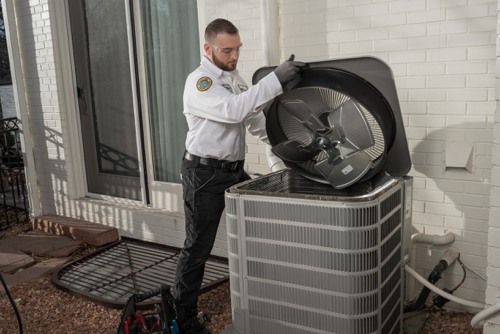
 When you’re choosing a new air conditioner, don’t just pick a unit at random; find a match for your home size, cooling needs, energy efficiency goals, and budget. AC systems get heavy use in Florida, and the right system will keep you comfortable, lower your energy bills, need fewer repairs, and last for years.
Below, we’ll discuss how to select an AC unit that will work well for your needs.
Quick Takeaways
- The right air conditioner will be the right size for your home, work efficiently, and handle Florida’s climate.
- Central AC and ductless mini-splits are the most common AC options for Florida homes.
- Proper sizing is critical—oversized and undersized systems both cause problems.
- Higher SEER ratings improve efficiency and lower energy costs.
- Installation quality affects performance as much as the unit itself.
- Professional AC installation ensures the system is sized and installed correctly.
Types of Air Conditioners for Homes
When you’re looking for a new air conditioner, there are several types you can choose from.
Central Air Conditioning Systems
Best for whole-home cooling with existing ductwork.
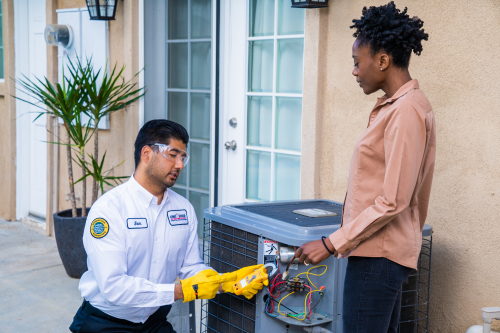 Central air conditioners offer complete home cooling by distributing chilled air into each room through ductwork via supply registers. Most of the machinery, including the compressor, is installed outdoors. This configuration saves space and reduces noise inside your house. If you already have ductwork in your home, central AC may be the best option.
Modern central ACs are engineered to run efficiently and cool your whole house effectively. They will also lower the humidity level indoors, reduce your utility bills, and add value to your home. Costs associated with central ACs include annual maintenance.
When you’re selecting a central air conditioner, selecting the right size is key. An undersized unit will struggle to cool your home when the weather is scorching, and an oversized unit will short cycle and have trouble removing moisture from the air. A licensed HVAC specialist can help you select a unit that meets your cooling needs.
Ductless Mini-Split Systems
Ideal for homes without ducts or for room-by-room control.
 A ductless mini-split is an HVAC system that can cool and heat your home without the need for ductwork. It consists of an outdoor compressor and a wall-mounted indoor evaporator coil and air handler that release chilled or warm air into the house.
Ductless mini-splits are quiet, highly efficient systems that work well for homes and small spaces without ductwork. They don’t take up much room, and they can be configured to provide custom cooling to different areas of your home. Installation is minimally invasive; a professional will need to drill a three-inch hole in your wall for the conduit, then hang each air handler near the ceiling.
Heat Pumps
Provide year-round climate control using a single unit.
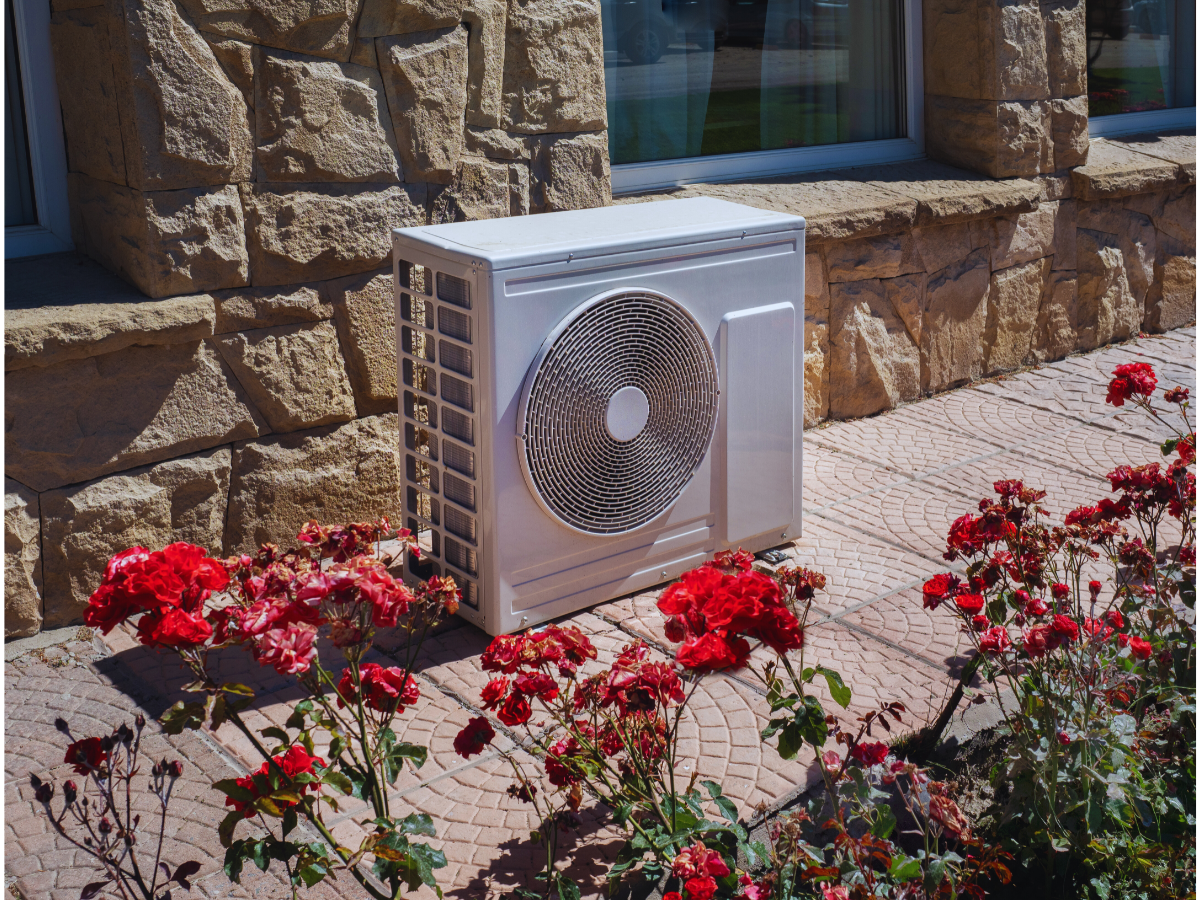 Heat pumps are popular heating and cooling systems that offer the most energy-efficient mode of climate control. They work particularly well in mild climates, which makes them a suitable and popular option for many Florida homeowners.
A heat pump works by transferring heat indoors or outdoors, depending on the weather or the season. When temperatures rise, you can set your heat pump to extract heat from your home, then vent it outdoors to cool your air. The system uses refrigerant to absorb heat through an indoor coil, then moves the heat to an outdoor condenser unit that releases it into the air.
Heat pumps also effectively dehumidify the air, making them a great choice for Florida homes. When the weather cools, you can set your system to reverse the process by pulling heat from the outside ground or air into your home, which eliminates the need to use a furnace.
Whether your home has ductwork or not, you can find a heat pump that meets your needs. These systems save energy through their heat transfer mechanism, which makes them relatively eco-friendly and can help lower your utility bills. Their all-in-one design also makes them extremely convenient.
Window and Portable Units
Best for small spaces or temporary solutions.
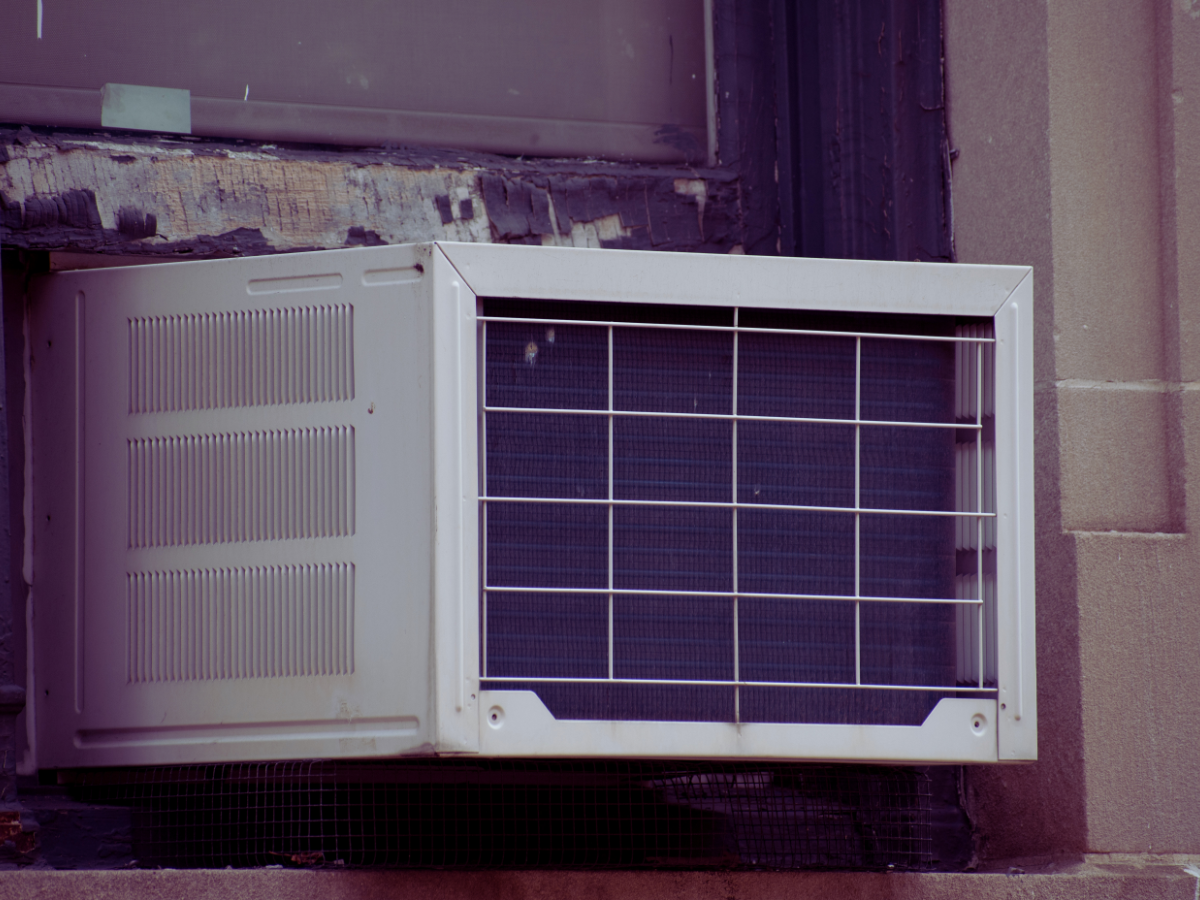 Window air conditioners and portable AC units are small cooling systems that can be used seasonally in a single room. They remove heat and moisture from your air, release it outside, and blow chilled, dehumidified air into your home.
Window ACs are designed to fit in single- and double-hung windows. These relatively small, semi-portable machines are a relatively inexpensive option for cooling a single room. Today’s models are designed to save energy, but they are not as efficient as other types of air conditioners.
Window air conditioners are not designed to cool an entire home. Since they are self-contained units, each compressor sits in its window space, which makes the system fairly noisy. These units will also block your view of the outdoors.
Portable air conditioners are another type of self-contained cooling system that sits on your floor. They vent hot air outside through an exhaust hose instead of using a window. Portable air conditioners are easy to set up and store, but they are the least effective and efficient type of air conditioner you can buy. They are also more expensive and difficult to maintain than window units.
How to Choose the Right Size Air Conditioner
As you’re considering different air conditioners, you need to choose one that’s sized right for your home. This means you’ll need to select a unit with the right cooling capacity, measured in BTUs. Historically, BTUs represent the amount of heat needed to melt one ton of ice in 24 hours.
Today, BTUs indicate an AC unit’s cooling capacity, with higher numbers standing for greater cooling power. Choosing an AC with the correct cooling capacity will optimize your comfort and energy savings.
Generally, you can size an air conditioner by choosing a model with a BTU rating that’s appropriate for your home’s square footage and ceiling height. To estimate your prospective AC’s BTU rating, you can use an AC unit tonnage per table, where one ton = 12,000 BTUs (British Thermal Units).
The table above only provides a rough estimate; factors like the layout of your house and its insulation will also affect the size of the AC unit you need. To ensure you make the right decision, an HVAC specialist can use a Manual J calculation to make a precise recommendation.
Sizing your AC properly is not trivial. If you install an oversized system, you may run into problems with short cycling and high humidity levels, while an undersized system will run constantly and fail to cool your home effectively. In either case, you could be left feeling uncomfortable, repairing your system more frequently, and paying higher energy bills.
Energy Efficiency: What to Look For in an AC Unit
Another key factor in choosing the right air conditioner is accounting for its energy efficiency, which determines how much you’ll spend on utilities and affects your environmental impact.
SEER Ratings Explained
When you’re looking at air conditioners, you’ll want to look at their seasonal energy efficiency ratio, or SEER ratings. Higher SEER numbers indicate better efficiency, which means you’ll spend less on your electric bill.
SEER and SEER2 ratings measure the average cooling efficiency of an air conditioner or heat pump over an entire cooling season for temperatures between 65°F and 104°F. Most modern cooling systems have SEER2 ratings that range from 13.4 to up to 23.6.
Since Florida has long periods of hot weather, a good SEER2 rating generally falls between 15.2 and 16.5; however, you should ask your HVAC specialist which SEER2 rating will offer the best balance of comfort and efficiency. In some cases, ACs with higher SEER2 ratings will qualify for rebates, so you’ll want to take this into consideration.
Long-Term Energy Savings
Another consideration for long-term energy savings is the series of steps your air conditioner takes to cool the air. Air conditioners can be designed for single-stage, variable-speed, or multi-speed cooling.
Usually, including more cooling stages makes the system more energy efficient. A single-stage AC will use more energy because it starts and stops more frequently, while a variable-speed unit can run longer at lower speeds and provide better temperature control.
In Florida, high-efficiency, variable-speed central air conditioners and ductless mini-split systems tend to provide the most energy savings, using up to 30% less electricity than conventional models. These systems continuously adjust their speed to regulate temperature, rather than cycling on and off.
High-efficiency cooling systems usually run more quietly and last longer than less efficient systems, and they can pay for themselves in less than five years when properly installed. Looking for units with inverter-driven compressors and ensuring your ductwork, insulation, and thermostat are up to date also promotes long-term efficiency.
Why Efficiency Matters in Florida Homes
Florida residents often run their air conditioners for several months a year, due to the state’s long periods of high heat and humidity. As temperatures and moisture levels rise, an air conditioner’s cooling capacity decreases.
Since ACs have to work harder in extreme weather conditions to be effective, using an energy-efficient cooling system is key to keeping energy and repair bills low and reducing overall wear. High-efficiency ACs are also better equipped to reduce humidity than traditional ACs. These systems can help keep the air from feeling clammy at lower temperatures. Lowering moisture levels also helps prevent mold and mildew growth and makes your air healthier to breathe.
Key Factors to Consider Before Choosing an AC System
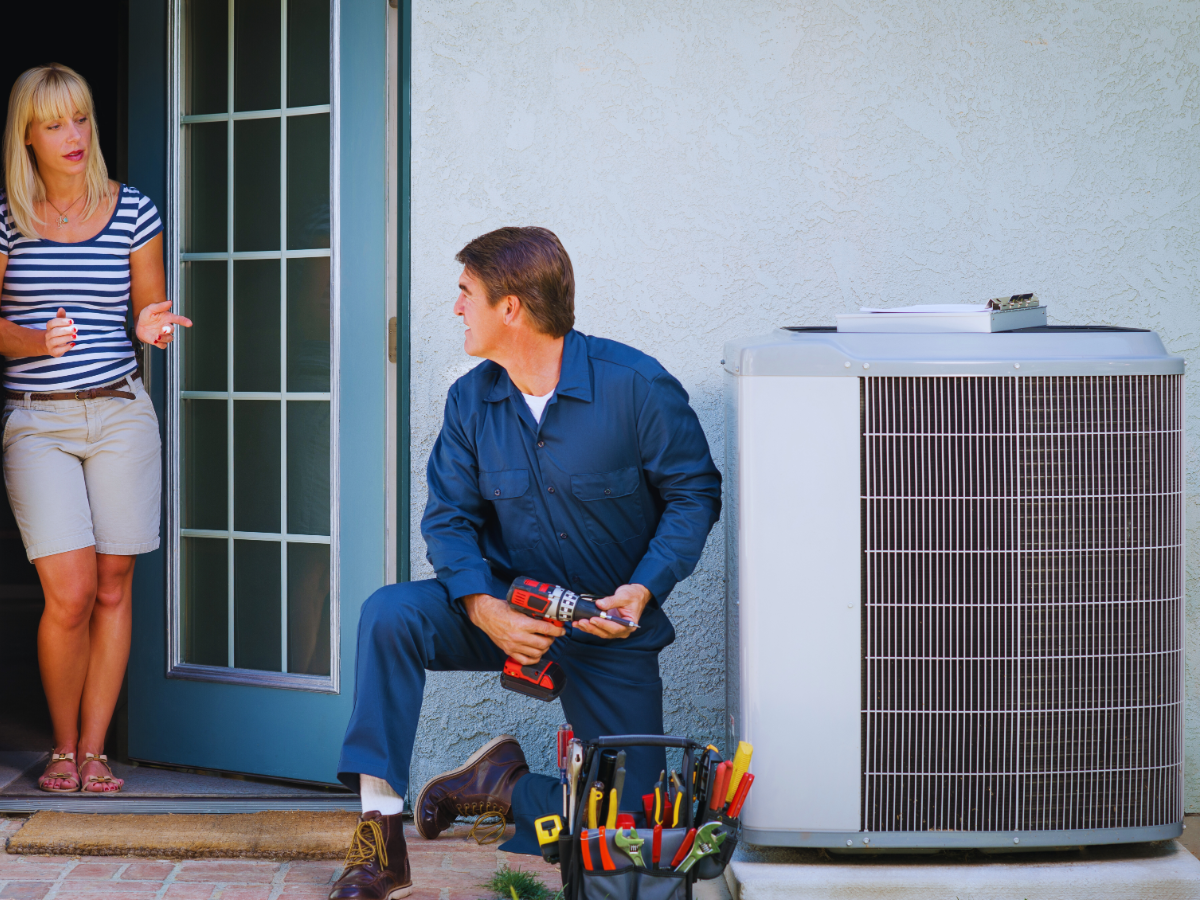 Before you commit to a new air conditioning system, here are some important factors to consider:
Home Size and Layout
The size and layout of your house affect which type of air conditioner will work best for you. Large-capacity central air conditioners tend to be best for large homes with ductwork that need uniform cooling.
Smaller-capacity ductless mini-splits suit smaller homes and homes without ductwork. Heat pumps are manufactured in a variety of form factors that suit many different kinds of homes.
Budget and Installation Costs
As you’re choosing a cooling system, you’ll want to balance up-front costs with long-term savings in a way that meets your budget. Central air conditioning systems or heat pumps and ductless mini-splits can be the most expensive systems to install in large homes, but they can also offer the greatest reduction in energy costs.
High-efficiency systems may also be more costly upfront, but you may be able to find rebates that offset the price. While window units and portable systems can be inexpensive to install in a single room, they do not offer cost-effective cooling for an entire house.
Existing Ductwork
Another way to determine whether central air conditioning is a viable option is to assess your existing ductwork (or lack of it.) If your home has properly sealed and maintained ductwork, a central AC system can be a practical option. On the other hand, if your ductwork needs major repairs or was never installed at all, a ductless mini-split can save costs on installation.
Climate and Humidity Levels
Florida residents typically endure months of hot, humid weather, so they need cooling systems that can capably control the moisture levels in their homes. Heat pumps are a popular choice because they work well in warm climates and provide sufficient dehumidification.
Central AC systems and ductless mini-splits also work well. Variable-speed units are especially good at regulating humidity levels, because they run longer cooling cycles that extract greater amounts of moisture from the air.
As you’re looking for the best air conditioner for your Florida home, a rule of thumb is that:
- Central ACs provide the best full-home cooling.
- Heat pumps provide the greatest efficiency.
- Ductless systems are well-suited to older homes and additions (like sunrooms)
- Variable-speed systems often include strong humidity control features.
Why Proper AC Installation Matters More Than the Unit Itself
Once you’ve found an air conditioner you like, you need to make sure you install it properly. Neglecting this step can cancel out the benefits your system provides, costing you money and comfort.
A professional HVAC specialist will ensure that the AC you choose is properly sized for your home, which will prevent it from running inefficiently or wearing out prematurely. Proper installation will ensure that your system will perform well for the full term of its lifespan.
Your installer will also calibrate your system, make sure that all of your components are in good working order, optimize your airflow and refrigerant levels, and confirm that your system will run at peak efficiency.
Common Mistakes to Avoid When Choosing an Air Conditioner
When you’re selecting an AC unit, here are some common pitfalls to watch out for:
- Choosing based on price alone: A cheaper system may be less efficient, noisier, or made from inferior parts. This means it may be less effective and efficient and more susceptible to breakdowns, which will cost you comfort and money in the long run.
- Ignoring system size requirements: If you choose an AC that’s too big or too small, it will waste energy, fail to cool your home effectively, and be likely to wear out more quickly.
- Overlooking energy efficiency: High-efficiency systems will save you money in the long run, and they’re easier on the environment.
- Hiring unqualified installers: Poor installation can negate the benefits your AC provides by running less efficiently and being more vulnerable to breakdowns.
- Skipping load calculations: Neglecting to calculate the number of BTUs you need can cause you to choose the wrong size system for your home.
When to Replace Your Air Conditioner Instead of Repairing It
If you already have a cooling system installed, but you’re wondering if it’s time to make a change, consider these factors:
- Age of system: If your AC is more than 10–15 years old, it may be near its end-of-life and due for a replacement.
- Frequent repairs: If repairs are creating hassle in your life and draining your bank account, a replacement may be a more cost-effective solution that can also save you time. Many people use the “$5,000 rule” as a guideline for replacement. Multiply the age of your unit by your repair costs. If the total exceeds $5,000, get a new air conditioner.
- Rising energy bills: A new, energy-efficient cooling system can significantly reduce your energy costs and pay for itself within a few years.
- Poor cooling performance: If your AC isn’t keeping you comfortable, running it is a waste of energy. A new system will provide the cooling power you need and improve your quality of life.
FAQ: How to Choose an Air Conditioner
At One Hour Heating and Air Conditioning, our installers care about your well-being, so we’re happy to answer some of your most frequently asked HVAC questions.
What size air conditioner do I need for my home?
The size of air conditioner you need depends on the square footage and layout of your home, as well as its insulation. Most homes need 20 BTUs of cooling power per square foot, so a 2000 square foot home might need a 40,000 BTU unit. Poorly insulated homes with single-pane windows and homes with high ceilings may need more cooling power. A licensed HVAC specialist can provide a detailed assessment that determines your exact cooling needs.
What is the best type of air conditioner for Florida homes?
In Florida, central air conditioning systems, high-efficiency heat pumps, and ductless mini-splits all serve particular needs. Heat pumps may offer superior efficiency overall. Ductless systems may be best for smaller homes, homes without ductwork, or homeowners who need zoned cooling throughout their home. Central air conditioners may be best for large homes with existing ductwork.
How important is SEER rating when choosing an AC unit?
When you’re choosing a new air conditioner, SEER ratings are critically important because they impact the money you’ll spend on energy over time. Higher SEER ratings mean your AC will work more efficiently and reduce your cooling costs by as much as 30-40%. Units with higher SEER ratings also tend to offer better humidity and temperature control, which results in better comfort.
Is it better to repair or replace an old AC unit?
If you’re debating whether to repair or replace your air conditioner, there are several factors to consider. If your AC is more than ten to fifteen years old, it may be near its end of life, and it’s likely you’ll need a new unit. If your unit is inefficient, replacing it will lower your energy bills. If you’re repairing your cooling system frequently, and your repair costs are greater than 50% of a new system’s price, it may be more cost-effective to replace it.
Do I need a professional to install a new air conditioner?
When you get a new air conditioner, proper installation is key to maximizing its performance, efficiency, and lifespan. Professional HVAC technicians will ensure that your system is properly sized, calibrated, and safe to use. They will also make sure you have good airflow and the right amount of refrigerant. Proper installation can also help you maintain your warranty, prevent breakdowns, and promote reliable operation over the lifetime of your system.
Schedule AC Installation in Clearwater Today
 When you’re selecting a new air conditioner, choosing the right model is only part of the process. Proper installation ensures that your system will run efficiently and last longer. It will also maximize your comfort in Florida’s heat and humidity.
One Hour Heating & Air Conditioning provides expert AC installation services in Clearwater, FL, and its surrounding areas. Our team helps you select the right system for your home and installs it correctly the first time. When you want reliable comfort and professional service you can count on, call our experts. We’re always on time, or you don’t pay a dime!