Warm weather, brilliant sunshine and the salty tang of a sea breeze. It’s all part of what locals love about living here in Clearwater, FL. Unfortunately, this little slice of paradise is decidedly less pleasant for the air conditioning systems we rely on to keep us comfortable.
Humid, salt-laden sea air is a serious threat to outdoor AC condensing units. It steadily corrodes vital components, degrading performance and reliability and eventually leading to premature failure. The good news? With the right AC maintenance plan, it’s easy to safeguard your equipment and keep your system performing like a champ for years to come.
Quick Takeaways
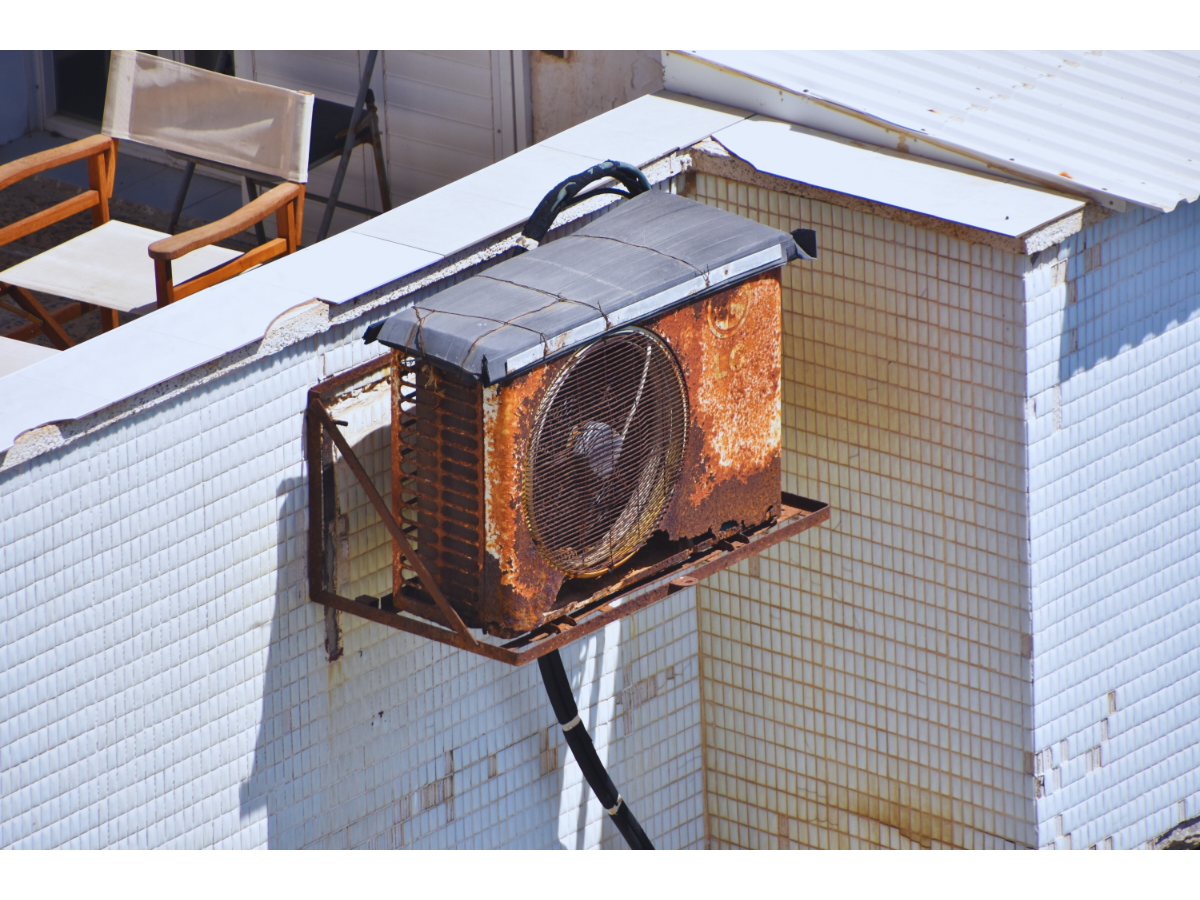 Coastal air is salty and highly corrosive to outdoor AC units.
- Aluminum fins and condenser coils are especially susceptible.
- Salt corrosion negatively impacts efficiency and cooling performance.
- High humidity levels further accelerate corrosion reactions.
- Regular AC maintenance minimizes salt buildup on key components.
- Clearwater homeowners near the coast may need more frequent maintenance.
How Coastal Air Corrodes HVAC Systems
Wherever the ocean meets the shore, you’ll find the unmistakable smell and taste of salt air. The result of aerosolized sea spray whipped up by wind and waves, salt air is what gives coastal areas like Clearwater their distinct character. However, it also has a darker side.
The Science of Salt Air Corrosion
Coastal air blowing in off the ocean is often filled with tiny particles of sodium chloride and other salts. When these particles drift inland and settle on surfaces, they mix with moisture to form a highly conductive electrolyte solution. This solution catalyzes the natural oxidation process, causing metals to corrode and break down more quickly.
Air conditioning condenser units are especially vulnerable to these effects. Not only are they constantly at the mercy of the elements, but they also draw in large volumes of ambient air during operation. This exposes internal components to even more salt and moisture, making frequent cleanings essential.
Which AC Components Are Most at Risk?
Salt air can take a toll on many parts of an air conditioning system, but certain components are uniquely susceptible.
Condenser Coils
The condenser coil is where the refrigerant in your AC system releases heat energy taken from your home. A fan circulates air through the coil, cooling the refrigerant and transferring heat to the outdoor environment.
Prolonged contact with salt air can disrupt this process by forming corrosion deposits that act as insulation. This inhibits heat exchange, reducing your system’s cooling capacity and forcing it to work harder.
Aluminum Fins
Another key part of the heat exchange process is the aluminum fins that direct airflow and help dissipate heat. While aluminum doesn’t technically rust, it can oxidize and become pitted when exposed to corrosive coastal air. This can damage or deform the thin, delicate fins, restricting airflow and hampering the system’s effectiveness.
Refrigerant Lines
Most AC refrigerant lines are made of copper, which reacts similarly to aluminum in the presence of salt air. As the copper corrodes over time, it may become porous, brittle or pitted. This greatly increases the likelihood of cracks and pinholes, resulting in refrigerant leaks that can degrade cooling performance by up to 40%.
Electrical Connections
While larger parts get most of the attention, it’s important not to forget about the electrical connections that power your system. Wiring, contacts and terminals are highly vulnerable to salt air corrosion, and the effects of damaged components and connections can be unpredictable.
Why Clearwater’s Coastal Climate Makes Corrosion Worse
All outdoor AC units take a beating from the elements, but cooling systems in Clearwater have it especially rough. The local climate is practically tailor-made to wear out HVAC components, and it’s all due to a few unfavorable factors.
Salt Spray From the Gulf Coast
When you live on the Gulf Coast, it’s hard not to get salty about sea spray’s corrosive impact on your AC system. Airborne salt particles can travel surprisingly far inland, and they can wreak havoc when they settle on your condensing unit.
Persistent Moisture and Humidity
Salt isn’t especially damaging on its own, but it becomes an AC unit’s worst enemy when mixed with water. Unfortunately, between frequent rain showers and persistently high humidity, moisture’s rarely in short supply in Clearwater. Electrochemical corrosion occurs much more rapidly at humidity levels above 60% — a major problem for a coastal community in a subtropical climate.
Strong Storms and Coastal Winds
Heavy weather is nothing new in Clearwater, FL, but it’s not just wind and flood damage you need to worry about. Severe storms churn up the ocean and generate tons of sea spray, carrying large volumes of salt ashore on strong coastal winds.
Signs and Symptoms of AC Salt Air Corrosion
Corrosion can’t always be prevented, but catching the problem early can help stop its spread and minimize the damage. If you live near the coast, keep your eyes peeled for these surefire signs of trouble.
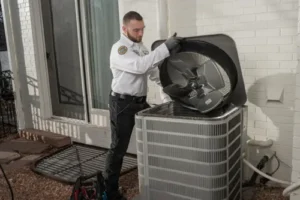 Visible Corrosion: Watch for pitting, flaking or rust spots anywhere on the unit’s exterior.
- Declining Comfort: Take notice if your home feels warmer or more humid than usual.
- High Utility Bills: Corrosion can make your AC work harder, run longer and use more energy.
- Refrigerant Leaks: Common clues include hissing sounds and ice buildup inside the unit.
- Strange Noises: From banging and rattling to buzzing and grinding, odd noises are serious red flags.
How AC Maintenance Protects Against Salt Air Damage
Salt air corrosion can shave years off your air conditioner’s lifespan. Being proactive is essential, and regular AC maintenance is the first line of defense against a hostile coastal environment. So, how does it work?
Coil Cleaning Removes Salt Residue
Cleaning is an important part of every maintenance visit, especially for AC coils. Clearing away salt residue and other built-up gunk reduces corrosion and helps maximize heat transfer, ensuring optimal cooling efficiency.
Anti-Corrosion Treatments Inhibit Rust
If an ounce of prevention is worth a pound of cure, then protective coil treatments are valuable indeed. By covering your condenser coil with a coating specially designed for coastal areas, these treatments can significantly improve its resistance to salt, moisture and other corrosive agents.
Routine Inspections Catch Corrosion Early
Simply put, periodic inspections are the best way to stop small and easily correctable problems from turning into big, expensive ones. Professional technicians are trained to spot the slightest signs of corrosion, and consistent checkups help them better monitor your system and detect changes as early as possible.
Recommended Service Schedule for Clearwater Homeowners
Keeping salt air corrosion in check is no easy feat, and it takes more upkeep than annual service visits can provide. That’s why twice-yearly AC maintenance is highly recommended for most Clearwater residents. Biannual tune-ups effectively control salt buildup and reduce corrosion, minimizing unnecessary wear and tear.
For some homeowners, however, even this may not be enough. The air along the immediate coast can be extremely salty and corrosive, requiring up to four service visits per year in the worst cases.
Why Professional Maintenance Matters in Coastal Florida
From replacing air filters to cleaning drain lines, basic DIY maintenance tasks can make a big difference. Still, there’s no substitute for scheduling regular visits from a trusted professional. Qualified pros have the equipment and expertise to perform truly comprehensive maintenance, including cleaning and treating AC coils, checking for early signs of corrosion, inspecting electrical connections and conducting rigorous performance testing.
It’s a small investment, but it’s sure to pay off in a variety of ways:
- Improved cooling and humidity control
- Greater efficiency and lower utility bills
- Less wear and tear and fewer repair calls
- Enhanced reliability and peace of mind
- A longer lifespan for your system
FAQs: Salt Air and AC Systems in Coastal Florida
How far inland can salt air damage an AC unit?
Systems within a mile or so of the ocean are at greatest risk. Of course, that doesn’t mean those located further ashore are out of the danger zone. Depending on environmental conditions, prevailing winds can often carry salt-laden marine air considerable distances, causing accelerated corrosion even several miles inland.
Can salt air destroy an air conditioner?
Without proper maintenance, certainly. The effects of corrosive salt air are cumulative, steadily weakening your AC system until major components begin to fail. Left unchecked, the damage may eventually become severe enough to necessitate replacing the entire outdoor unit.
How do I protect my AC from coastal corrosion?
While there’s no escaping the elements, diligent upkeep can go a long way in preventing corrosion and equipment damage. The key is to choose a trusted HVAC professional and stick to a service schedule that includes regular cleanings, tune-ups and inspections. Anti-corrosion coatings can also add additional protection to exposed AC coils.
How often should AC coils be cleaned near the ocean?
The closer you are to the coast, the more attention your HVAC system is likely to need. Annual AC maintenance may be fine for inland homeowners, but coastal residents should plan on at least two visits a year.
Does salt air shorten the lifespan of an AC system?
Yes. Unfortunately, accelerated corrosion is an ever-present threat when living near the ocean. Systems that typically last 15 years or more in other conditions may only last 10 to 12 years on the coast — or even less without routine upkeep.
Schedule AC Maintenance in Clearwater Today
 Home cooling systems face more than just heat and humidity here on the Florida coast. Salt air corrosion is a formidable challenge, but protecting your AC unit from the elements is easier and more affordable than you might think. With One Hour Heating & Air Conditioning, one call is all it takes to whip your system into shape and prevent excessive wear and tear.
Our technicians offer comprehensive air conditioning maintenance services throughout Clearwater and surrounding communities, including coil cleanings, anti-corrosion treatments, in-depth inspections and more. Best of all, we’re always on time or you don’t pay a dime.
Contact One Hour Heating & Air Conditioning today and let our AC maintenance pros handle the rest!